

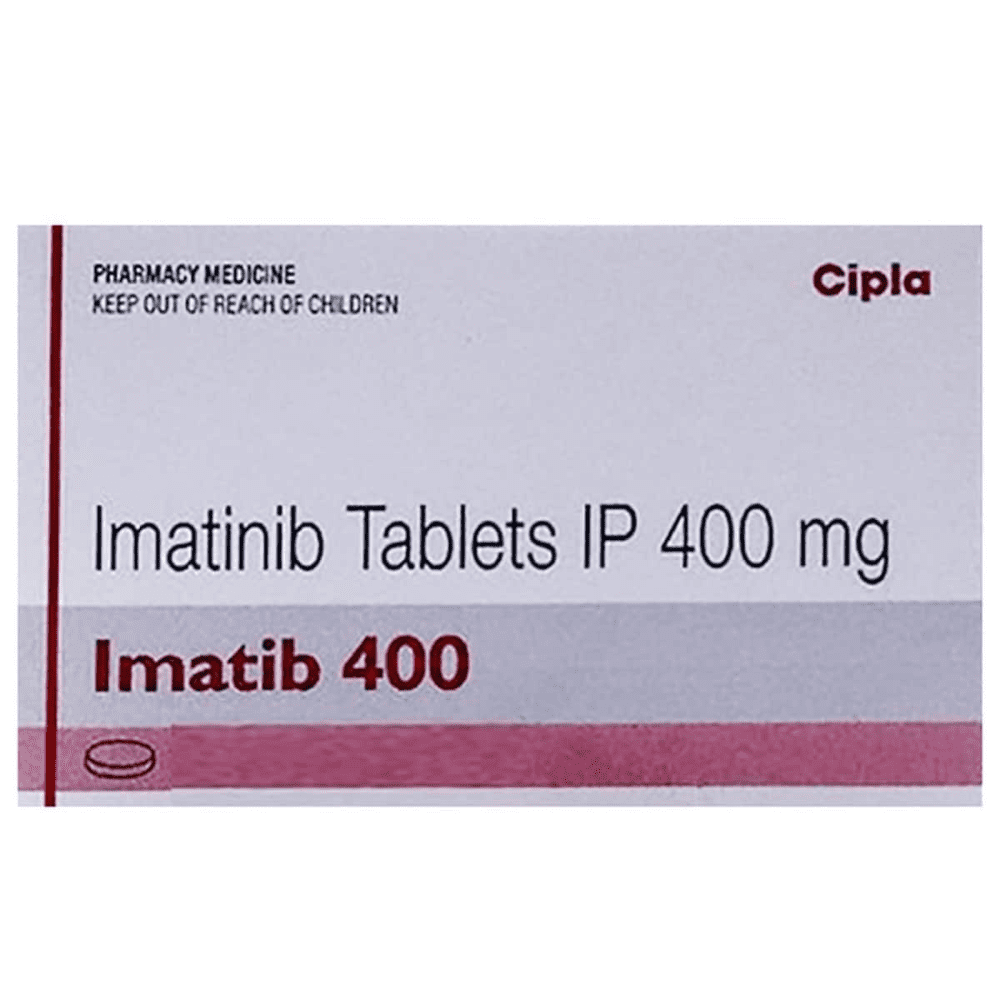
Imatib 400 Mg (Imatinib)
Imatib 400 mg is a high-dose oral formulation of imatinib mesylate—a selective tyrosine kinase inhibitor that targets BCR‑ABL, c‑KIT, and PDGFR. It is indicated for adult patients with chronic myeloid leukemia (CML), Philadelphia chromosome‑positive acute lymphoblastic leukemia (Ph+ ALL), and c‑KIT positive gastrointestinal stromal tumors (GIST), especially in advanced or resistant disease settings. By inhibiting these kinases, Imatib disrupts cancer cell signaling to help achieve disease control.
- Estimated Delivery : Up to 4 business days
- Free Shipping & Returns : On all orders over $200
✅ Key Benefits
-
Higher dose effective in managing resistant or advanced malignancies
-
Targets disease drivers like BCR‑ABL and c‑KIT
-
Clinically validated to deliver deep and durable responses
-
Convenient once-daily oral dosing improves adherence
-
Flexible dosing regimen supports personalized treatment plans
🎯 How to Use
-
Administer one 400 mg tablet daily, with or without food
-
Swallow whole with a full glass of water
-
Continue treatment until disease progression or unacceptable toxicity
-
Perform routine CBC, liver and renal function, and cardiac monitoring
-
Oncologist may adjust dose or schedule based on tolerance and lab results
⚠️ Precautions
-
Prescription-only; requires oncologist supervision
-
Monitor for fluid retention, hepatotoxicity, and myelosuppression
-
Cardiac evaluation advised due to rare risk of heart failure
-
Use contraception during treatment and for several months afterward
-
Evaluate co-administered medications for CYP3A4 interactions
🤕 Possible Side Effects
-
Common: Edema, nausea, diarrhea, muscle cramps, fatigue
-
Hematologic: Neutropenia, anemia, thrombocytopenia
-
Hepatic: Elevated liver enzymes; rare jaundice
-
Cardiac: Uncommon cases of cardiomyopathy or heart failure
-
Other: Skin rash, headache, fever
❓ Frequently Asked Questions (FAQs)
Q. Who should receive Imatib 400 mg?
A. Patients with resistant or advanced CML, Ph+ ALL, or GIST where higher dosing may improve response.
Q. Can it be taken with meals?
A. Yes—take consistently with or without food.
Q. What monitoring is required during therapy?
A. Regular blood counts, liver/renal tests, and cardiac monitoring help maintain safety.
Q. How long does treatment last?
A. Typically ongoing while disease remains controlled and side effects are tolerable.
| Unit | 120 Tablets, 150 Tablets, 300 Tablets, 90 Tablets |
|---|
Be the first to review “Imatib 400 Mg (Imatinib)”
Related products
-

-
Avanafil 100mg Tablets
Price range: $84 through $165 -
Cenforce 100mg
Price range: $85 through $390 -
Dapoforce 60mg Tablets
Price range: $55 through $86 -
Avaforce 100mg Tablets
Price range: $79 through $154 -
Veenat 100 Mg (Imatinib)
Price range: $85 through $240






Reviews
There are no reviews yet.