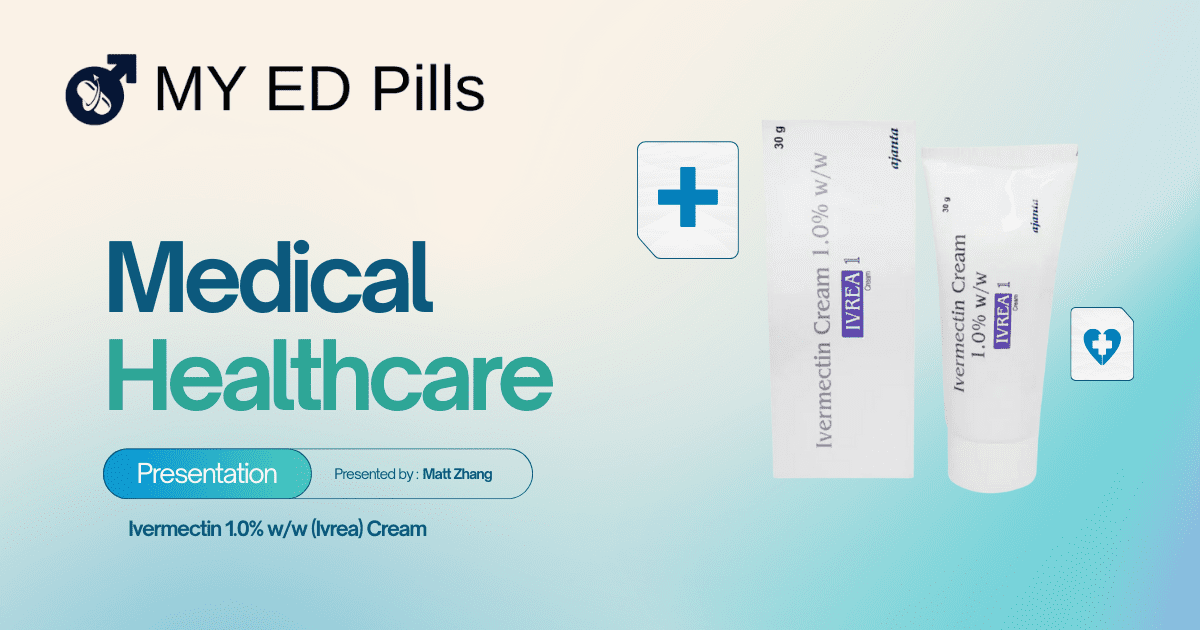
Ivrea Cream 1% (Ivermectin) for Acne & Rosacea: Complete Guide
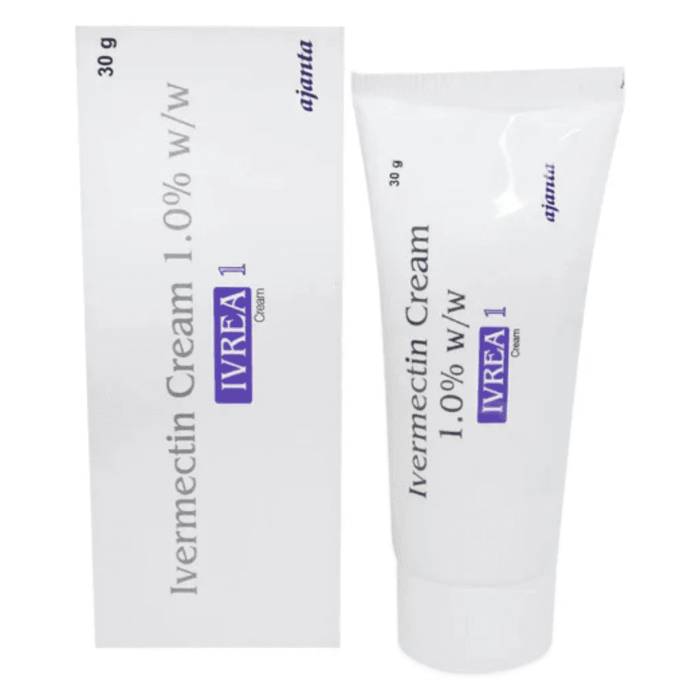
If you’re battling the persistent redness of rosacea or inflamed bumps and pimples from acne, Ivrea Cream 1% w/w — powered by ivermectin — may be the solution your dermatologist recommends. This clinically proven cream works deep in the skin, tackling inflammation and microscopic causes of persistent skin conditions.
What Is Ivrea Cream 1%?
Ivrea Cream 1% is a topical formulation containing 1.0% w/w ivermectin. Ivermectin is an antiparasitic agent originally developed for treating parasitic infections, but in topical form, it has strong anti-inflammatory and antimicrobial properties that make it highly effective for inflammatory skin diseases.
How Ivrea Cream Works for Acne & Rosacea
Here’s why Ivrea Cream is a game-changer for acne and rosacea:
- Anti-inflammatory effect: Ivermectin reduces inflammation in the skin, which helps calm the redness and swelling commonly associated with rosacea.
- Antimicrobial activity: It works against skin-dwelling microorganisms that may contribute to acne and rosacea symptoms.
- Immune modulation: By acting on skin immune cells, it helps regulate the body’s inflammatory response to triggers like heat, sun, or microbes.
- Long-acting effect: As a cream, it stays on the skin and works over time to maintain skin health.
Key Benefits of Using Ivrea Cream
- Reduces persistent facial redness and flushing.
- Decreases inflammatory papules (bumps) of rosacea.
- Helps clear acne lesions with minimal irritation.
- Easy to use: once-daily application is often sufficient.
- Generally well tolerated with a favorable safety profile.
When to Use Ivrea Cream
Ivrea Cream is especially useful in the following situations:
- If topical antibiotics or retinoids irritate your skin.
- For persistent rosacea bumps and redness not controlled by other therapies.
- When you want a gentle, well-tolerated alternative to oral treatments.
- As part of a long-term skin care plan to maintain improvement.
How to Apply Ivrea Cream 1%
Applying Ivrea Cream correctly is essential to get the maximum benefit:
- Wash your face with a mild, non-irritating cleanser and pat dry gently.
- Apply a pea-sized amount of the cream once daily to the affected areas (face — cheeks, nose, chin, forehead).
- Spread evenly and gently until fully absorbed.
- Follow with a gentle moisturiser if needed.
- Use sunscreen daily — UV exposure can worsen rosacea, and sun protection helps maintain the improvements.
Tips for Better Results
- Be consistent — use every day even if your skin starts to look better.
- Avoid strong topical products (like harsh exfoliants) when starting out.
- Monitor your skin for irritation, especially in the first 1–2 weeks.
What to Expect: Results & Timeline
Many users notice improvements over the first few weeks, but full benefits may take longer:
- Week 1–2: Slight reduction in inflammation; possible mild skin irritation.
- Week 4: Noticeable decrease in redness and fewer bumps.
- Week 8–12: Significant improvement in texture and number of lesions.
- Beyond 12 weeks: Users often maintain clearer, calmer skin with ongoing once-daily use.
Side Effects & Precautions
Ivrea Cream is generally well tolerated, but like all topical medications, it has some potential side effects:
- Mild burning or stinging, especially in the first few days.
- Dryness or flaking of the skin.
- Temporary redness after application.
- Rare allergic reactions — stop use if swelling or itching occurs.
Who Should Avoid or Use Caution with Ivrea Cream
Ivrea Cream may not be suitable for everyone. Use caution or avoid if you:
- Are allergic to ivermectin or any of the ingredients in the cream.
- Have broken or severely irritated skin (eczema, open wounds).
- Are pregnant or breastfeeding — consult your doctor before use.
- Are using other strong topical medications or procedures (laser, peels) — check with your dermatologist.
How to Buy Ivrea Cream Safely
To ensure you’re purchasing genuine and high-quality Ivrea Cream, consider these tips:
- Buy from licensed online pharmacies or reputable distributors.
- Check packaging authenticity (tamper-evident seals, batch numbers).
- Consult your dermatologist for a prescription or recommendation.
You can view our verified Ivrea Cream product here: Buy Ivrea Cream 1% (Ivermectin).
Tips to Combine With Other Skin Care
Integrating Ivrea Cream into your existing skincare routine can maximize benefit:
- Use a gentle, non-comedogenic moisturizer after application.
- Avoid strong exfoliants or retinoids unless your dermatologist recommends starting slowly.
- Apply a broad-spectrum sunscreen every morning — crucial for rosacea control.
Real-World Use: Success Stories
Many users have shared their positive experiences with Ivrea Cream for both acne and rosacea:
- “After months of trying gels and antibiotics, Ivrea Cream calmed my face within 6 weeks.”
- “My rosacea bumps reduced and my skin feels less irritated even when I eat spicy food.”
- “I use it once daily, and now I don’t need to hide under heavy makeup.”
Frequently Asked Questions (FAQs)
1. Can Ivrea Cream really help with both acne and rosacea?
Yes — thanks to its anti-inflammatory and antimicrobial action, Ivrea Cream can reduce both acne-like bumps and the persistent redness of rosacea. However, results vary, and it’s best used under dermatologist supervision.
2. Is Ivrea Cream safe for daily use?
Generally, yes. Most people tolerate once-daily use well. Stick to your dermatologist’s guidance and monitor for irritation in the early weeks.
3. Can I use Ivrea Cream with my other acne treatments?
You should talk to your dermatologist. Some medications (like strong retinoids or procedures) may increase skin sensitivity, requiring careful coordination.
4. How long does it take to see improvement?
Improvement may begin in the first few weeks, but meaningful changes — like reduction in redness and bumps — typically appear after 8-12 weeks of consistent use.
5. Is Ivrea Cream over-the-counter or prescription?
This depends on your country. In many places, ivermectin creams require a prescription or are regulated — check with a licensed pharmacy or your dermatologist.
6. What if my skin gets too dry or flakes?
If dryness or flaking occurs, reduce the frequency or use a gentle moisturizer. If it persists, consult your dermatologist for advice.
Conclusion: Is Ivrea Cream Right for You?
If you’re struggling with persistent rosacea redness or acne lesions that resist standard treatments, Ivrea Cream 1% (ivermectin) offers a scientifically backed, dermatologist-recommended option. Its dual action — calming inflammation and targeting trouble-making microbes — makes it particularly effective.
However, it’s not a quick fix. Patience, consistent use, and partnership with your dermatologist or skincare professional will deliver the best long-term results.
To explore purchasing, you can check out the product here: Buy Ivrea Cream 1% (Ivermectin).