Introduction
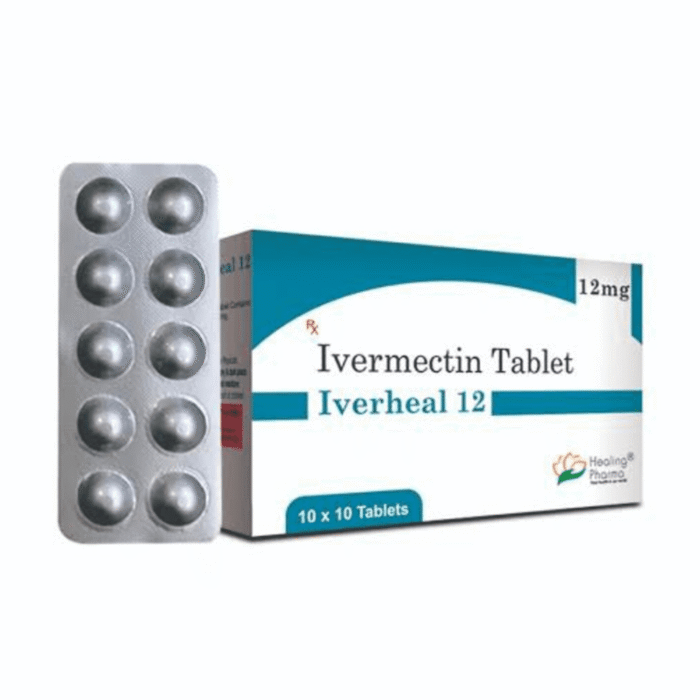
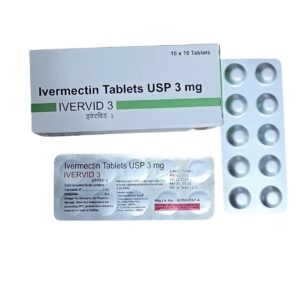
Iverheal 12 mg is an oral formulation of ivermectin commonly used in clinical practice to treat several parasitic infections. When used correctly it is an effective and well-tolerated agent; however, correct dosing and precautions are essential to avoid avoidable adverse events. This article provides a practical, clinically oriented approach to Iverheal 12 mg dosing, timing, administration, interactions, and follow-up care.
What is Iverheal 12 mg?
Iverheal 12 mg contains a single active ingredient — ivermectin — in a tablet form delivering 12 milligrams per tablet. It is indicated for specific parasitic infections where ivermectin is the appropriate therapeutic agent. The tablet is supplied for oral administration and dosing is typically determined by body weight and the type of infection being treated.
Clinical uses
Common clinical indications where Iverheal 12 mg may be prescribed include specific intestinal helminth infections, certain ectoparasitic infestations, and in controlled programs for parasite control. Prescribers should select ivermectin and dose according to the targeted infection and national guidance.
Pharmacology — how Iverheal 12 mg works
Ivermectin acts on parasite neurotransmission pathways, increasing chloride channel permeability in susceptible organisms which leads to neuromuscular paralysis and death of the parasite. This mechanism underpins the rapid antiparasitic effect observed in sensitive parasites after appropriate dosing with Iverheal 12 mg.
Principles of dosing
Dosing for ivermectin is generally weight-based. For many indications the commonly used dosing range is approximately 0.15–0.2 mg/kg as a single oral dose, though the precise regimen varies by infection type and clinical protocols. Because tablet strength may not match exact calculated mg, clinicians frequently round dosing to the closest appropriate tablet combination. Using the 12 mg tablet, you can calculate and approximate the required number of tablets for a given patient’s weight.
- Typical single-dose range used in many settings:
0.15–0.2 mg/kg - Calculate:
recommended mg = patient weight (kg) × assigned mg/kg - Then divide by 12 to determine number of Iverheal 12 mg tablets required (round to nearest safe tablet count per local guidance).
Interactive: Weight → Dose calculator
This calculator uses a default dosing of 0.2 mg/kg. Always confirm final dosing with local guidelines and a clinician.
Timing and administration
For optimal absorption many prescribers advise taking ivermectin on an empty stomach — for example one hour before a meal or two hours after a meal — unless local protocols specify otherwise. The drug should be swallowed whole with water; tablets should not be chewed or crushed. For some indications repeat dosing or multi-day regimens may be required; always follow the prescriber’s instructions regarding frequency and duration.
Administration checklist
- Confirm the indication for Iverheal 12 mg and the appropriate weight-based dose.
- Confirm there are no contraindications (see precautions below).
- Advise the patient to take the tablet on an empty stomach unless directed otherwise.
- Provide clear instructions on when to return for follow-up testing if required.
Precautions and contraindications
Prior to prescribing or administering Iverheal 12 mg, clinicians must assess the patient’s complete medical history, including co-morbidities and concomitant medications. Special attention should be given to patients with severe hepatic impairment, pregnant or breastfeeding women (where contraindicated), and patients with a known hypersensitivity to ivermectin or formulation excipients.
Drug interactions
Coadministration of ivermectin with agents that alter metabolic pathways (for example strong CYP3A4 inhibitors) may alter plasma concentrations. Clinicians should evaluate for potential interactions and monitor closely when interacting medications are unavoidable. Review the patient’s full medication list prior to initiating Iverheal 12 mg.
Adverse effects — what to watch for
Most adverse events are mild and transient, but clinicians and patients should be alert to more serious reactions. Commonly reported adverse effects can include dizziness, gastrointestinal upset (nausea, diarrhea), and transient dermatologic reactions. Severe neurological or hypersensitivity reactions are uncommon but warrant immediate attention.
Overdose and management
In suspected overdose with Iverheal 12 mg, supportive care and symptomatic management are the cornerstones. Contact your regional poison control center and arrange for clinical observation. Neurologic monitoring should be considered for severe presentations.
Storage and handling
Store tablets in a cool, dry place away from direct sunlight and reach of children. Check the expiry date and packaging integrity before dispensing or administering Iverheal 12 mg.
How to buy and clinical governance
When selecting a product for use ensure that procurement channels meet local quality and regulatory requirements. For patients who require a source, you may recommend your verified product link where quality and authenticity are maintained:
Note: This link is provided for convenience; prescribers and pharmacists should ensure the product meets local procurement and regulatory standards prior to recommending it to patients.
Monitoring and follow-up
Arrange follow-up appropriate to the infection being treated. In some parasitic infections follow-up stool or serologic testing is standard. Counsel patients about expected symptom resolution timelines and advise them to return for worsening symptoms or signs of adverse reaction.
Patient counseling points (clear, clinician-friendly)
- Explain the purpose of treatment and expected timeline for improvement.
- Advise on the correct timing (preferably on an empty stomach) and how to take the tablet.
- Discuss common side effects and when to seek medical help.
- Confirm contraception advice in women of reproductive potential if relevant.
Clinical scenarios & examples
Below are two illustrative examples of dose approximation using Iverheal 12 mg. These are for demonstration only — always calculate per patient weight and local guidance.
Example 2: Adult weighing 72 kg → 0.2 mg/kg = 14.4 mg → ~1.2 tablets ≈ clinician may prescribe 12 mg and reassess or an adjusted regimen per protocol.
When not to use
Do not use Iverheal 12 mg in patients with documented hypersensitivity to ivermectin. Use caution in patients with significant hepatic impairment or those on interacting medications. In pediatric patients dosing recommendations are specific to age and weight — consult pediatric dosing references.
Summary — practical takeaways
- Iverheal 12 mg is a 12 mg oral formulation of ivermectin used for defined parasitic infections.
- Dosing is weight-based — commonly around
0.15–0.2 mg/kgfor many indications; use the tablet strength to approximate number of tablets required. - Take on an empty stomach for optimal absorption unless instructed otherwise.
- Check for contraindications, review co-medications for interactions, and counsel patients regarding side effects.
- For product sourcing you can use: Iverheal 12 mg
Frequently Asked Questions
Clinical note & legal disclaimer
This article is intended for educational and professional reference only. It does not replace individualized clinical judgment or local prescribing guidelines. Always consult a licensed healthcare practitioner before prescribing or using Iverheal 12 mg. The content herein is not a substitute for emergency care.
Call to action (clinician / pharmacy)
If you are a clinician or pharmacist seeking a verified supply of Iverheal 12 mg, consider the verified product link below to view product packaging and procurement details: