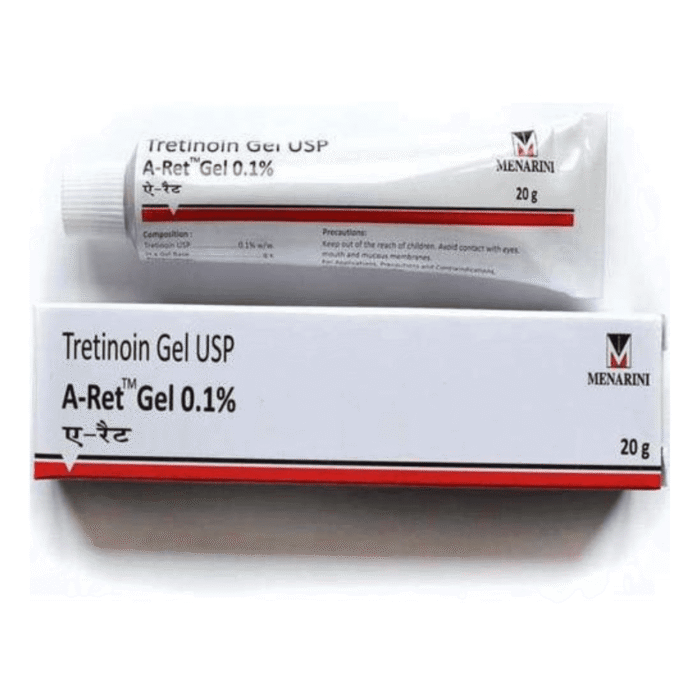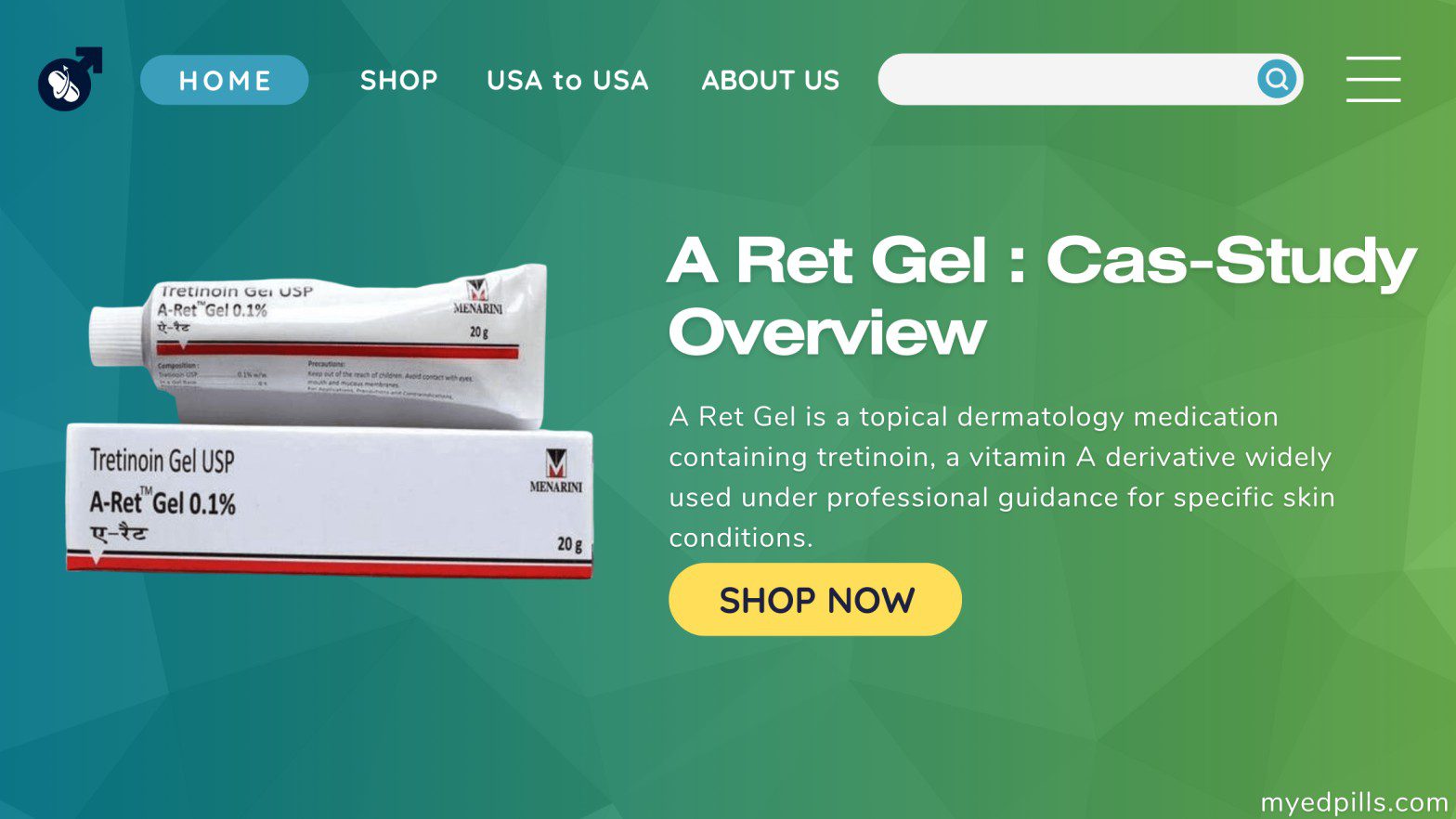
A Ret Gel is a topical dermatology medication containing tretinoin, a vitamin A derivative widely used under professional guidance for specific skin conditions. This case-study style blog provides an educational and compliance-aligned overview of A Ret Gel, focusing on clinical context, mechanism of action, real-world use considerations, and patient education, without replacing medical advice.
1. Background and Dermatology Context
A Ret Gel is a prescription-strength topical retinoid formulation used in dermatology practice. The active ingredient, tretinoin, works at the cellular level to normalize skin cell turnover, reduce follicular blockage, and support skin renewal. Because of this mechanism, A Ret is commonly included in dermatologist-designed treatment plans rather than used as an isolated solution.
In clinical practice, A Ret Gel is introduced after assessing skin type, severity of concern, prior treatments, and sensitivity. Proper education and gradual initiation are essential components of successful use.
2. Case-Study Framework (Illustrative Example)
Patient Profile (Educational):
- Young adult with persistent acne and uneven skin texture
- Prior use of basic topical treatments with limited response
- No contraindications identified during dermatology review
Clinical Objective:
- Reduce comedonal and inflammatory lesions
- Improve skin texture over time
- Minimize irritation through controlled use
Therapeutic Decision:
- Introduction of A Ret Gel as part of a structured nighttime skincare regimen
This framework reflects how A Ret Gel is typically positioned in real-world dermatology care—carefully, progressively, and with monitoring.
3. How A Ret Gel Works
A Ret Gel exerts its effect by increasing epidermal cell turnover and preventing the formation of micro-comedones. By promoting regular shedding of dead skin cells, it helps keep pores clear and supports smoother skin texture. Over time, this cellular normalization contributes to visible clinical improvement when A Ret Gel is used consistently.
Because tretinoin is biologically active, dermatologists emphasize correct dosing and application technique to balance effectiveness with tolerability.
4. Application and Adherence Principles
A Ret Gel is usually applied once daily at night, unless otherwise directed. Typical guidance includes:
- Cleanse the face gently and allow skin to dry completely
- Apply a pea-sized amount of A Ret Gel in a thin layer
- Avoid sensitive areas such as eyes, lips, and corners of the nose
Consistency is important, but so is patience. Initial irritation does not necessarily indicate treatment failure and is often managed through regimen adjustments.
5. Monitoring and Safety Considerations
During early use, patients may experience dryness, mild redness, or peeling. These effects are generally dose-related and often subside as the skin adapts. Standard safety considerations include:
- Using a non-comedogenic moisturizer
- Applying sunscreen daily due to increased photosensitivity
- Avoiding excessive sun exposure
Professional guidance ensures that A Ret Gel remains both safe and effective throughout treatment.
6. Interactions and Precautions
A Ret Gel should be used cautiously with other topical products that may cause irritation, such as strong exfoliants or alcohol-based formulations. Patients are typically advised to:
- Disclose all skincare products being used
- Avoid overlapping retinoid therapies unless prescribed
- Pause use and consult a professional if severe irritation occurs
Special caution is advised in pregnancy or when planning pregnancy, as tretinoin use may be contraindicated.
7. Outcomes and Practical Observations
In real-world dermatology practice, improvements with A Ret Gel are gradual. Early weeks may involve a transitional phase, followed by clearer skin and improved texture with continued use. Case-study observations consistently highlight:
- Better outcomes with gradual initiation
- Importance of adherence to skincare guidance
- Realistic expectations regarding timelines
8. Patient Education and Informed Use
Successful use of Ret Gel depends heavily on patient education. Key points typically include:
- Understanding that visible results take time
- Importance of sun protection
- Avoiding overuse in an attempt to accelerate results
Educated users are more likely to continue treatment appropriately and achieve desired outcomes.
9. Accessing A Ret Gel
When prescribed by a qualified healthcare professional, Ret Gel can be obtained from authorized sources. For verified product information and availability, refer to the official product page below:
Product link: https://myedpills.com/product/a-ret-gel-0-1-tretinoin/
Always ensure that use and sourcing comply with medical advice and local regulations.
10. Frequently Asked Questions (Educational)
How long does A Ret Gel take to show results?
Visible improvement is typically gradual and may take several weeks with consistent use.
Can A Ret Gel be used daily from the beginning?
Frequency is often adjusted initially to improve tolerance, based on professional advice.
Is sunscreen necessary while using Ret Gel?
Yes. Daily sun protection is strongly recommended.
11. Summary
A Ret Gel is a well-established topical retinoid used within structured dermatology treatment plans. A case-study perspective highlights that its effectiveness depends on correct application, patient education, and ongoing professional guidance. When used responsibly, Ret Gel can play a valuable role in long-term skin management strategies