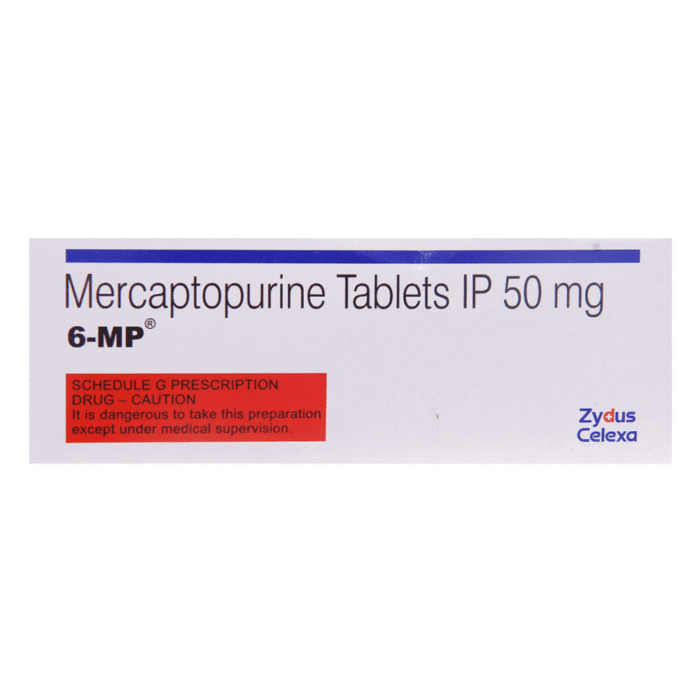
Mercaptopurine is a long‑established antimetabolite medication widely used in specific oncology and immunology contexts under specialist supervision. This case‑study style article presents an educational, evidence‑aligned overview of 6‑MP (Mercaptopurine), focusing on clinical context, therapeutic rationale, monitoring considerations, and real‑world decision points—without substituting for professional medical advice.
1. Background and Therapeutic Context
Mercaptopurine (6‑MP) belongs to the thiopurine class of antimetabolites. It interferes with purine synthesis, thereby affecting DNA and RNA replication in rapidly dividing cells. Because of this mechanism, it has an established role in select hematologic malignancies and certain immune‑mediated conditions where immunosuppression is clinically indicated.
Clinicians typically prescribe Mercaptopurine within structured treatment protocols that define dosing, duration, laboratory monitoring, and safety checks. The medication’s long history means that its benefits and risks are well characterized when used appropriately.
2. Case‑Study Framework (Educational)
Patient Profile (Illustrative):
- Adult patient under specialist care
- Diagnosed with a condition for which thiopurine therapy is indicated
- Baseline labs completed, including liver function and blood counts
- Genetic testing (where applicable) reviewed prior to initiation
Clinical Objective:
- Achieve disease control or remission maintenance
- Minimize adverse effects through individualized dosing and monitoring
Therapeutic Decision:
- Initiation of Mercaptopurine as part of a guideline‑driven plan
This framework reflects how Mercaptopurine is commonly integrated into real‑world care pathways—carefully, conservatively, and with ongoing assessment.
3. Dosing Principles and Administration
Mercaptopurine dosing is not universal; it is tailored based on body weight, indication, metabolic capacity, and response. Clinicians may adjust doses over time according to laboratory trends and tolerance. Oral administration is typical, with emphasis on adherence and consistent timing.
Key administration considerations include:
- Strict adherence to prescribed dose
- Avoiding unapproved dose changes
- Coordinating timing with meals if advised by the prescriber
4. Monitoring and Safety Management
Because Mercaptopurine affects rapidly dividing cells, routine monitoring is essential. Standard practice includes:
- Complete blood counts (CBC): to detect myelosuppression
- Liver function tests: to monitor hepatotoxicity risk
- Clinical review: for infection signs or intolerance
Early detection of abnormalities allows clinicians to pause, reduce, or discontinue therapy as appropriate. This proactive approach underpins the safe use of Mercaptopurine.
5. Drug Interactions and Precautions
Mercaptopurine can interact with other medicines, supplements, and even certain dietary factors. Prescribers typically review the full medication list to mitigate interaction risk. Patients are advised to:
- Disclose all concurrent medicines and supplements
- Avoid starting new products without approval
- Report unusual symptoms promptly
Special caution is warranted in patients with liver impairment or a history of significant infections.
6. Outcomes and Real‑World Observations
In appropriately selected patients, Mercaptopurine has demonstrated value as a disease‑modifying therapy within its approved indications. Real‑world outcomes depend on multiple variables, including adherence, baseline health, and ongoing clinical oversight.
From a case‑study perspective, successful outcomes often share common features:
- Clear indication and treatment goals
- Regular monitoring and communication
- Early management of side effects
7. Patient Education and Informed Use
Patient understanding plays a central role in treatment success. Education typically covers:
- Why Mercaptopurine is prescribed
- Expected timelines for response
- Importance of lab monitoring
- When to seek medical attention
Informed patients are better equipped to partner with clinicians and follow complex treatment plans safely.
8. Accessing 6‑MP (Mercaptopurine)
When prescribed by a licensed professional, patients may obtain 6‑MP (Mercaptopurine) through authorized pharmacies. For verified product information and availability, visit the official product page here:
Purchase link: https://myedpills.com/product/6-mp-mercaptopurine/
Always ensure that prescriptions and sourcing comply with local regulations and medical guidance.
9. Frequently Asked Questions (Educational)
Is Medicine suitable for everyone?
No. Suitability depends on diagnosis, genetics, and overall health. Only a qualified clinician can determine appropriateness.
How long is treatment typically continued?
Duration varies by indication and response; some protocols involve long‑term maintenance under supervision.
What should patients do if they miss a dose?
They should follow their prescriber’s instructions and avoid double dosing unless explicitly advised.
10. Summary
remains an important medicine within its defined clinical roles. A case‑study lens highlights that its effectiveness is inseparable from careful prescribing, patient education, and continuous monitoring. When these elements align, Mercaptopurine can be used responsibly as part of comprehensive, specialist‑led care.